Home/Curriculum resources/Indigenous Ecological Knowledge and severe weather events/Activity 2: Traditional Ecological Knowledge is scientific knowledge
Learning Areas:
Science, Humanities and Social Sciences, English
Year levels:
Level 5, Level 6
Activity 2: Traditional Ecological Knowledge is scientific knowledge
This activity is a part of the Indigenous Ecological Knowledge and severe weather events resource.
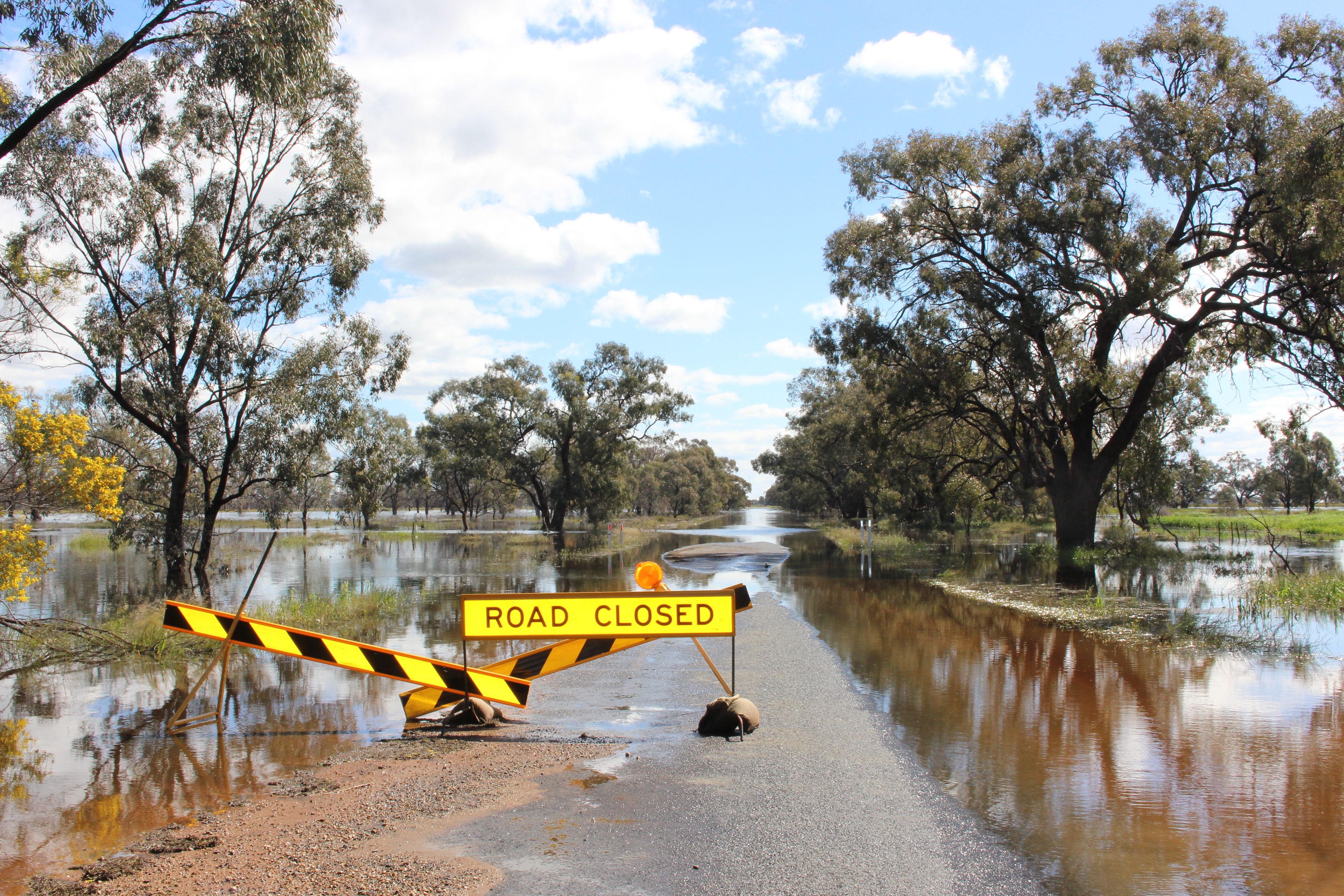
Road Flooded at Condobolin, New South Wales. Photographer: Theo Clark. Source: Getty Images. Used under Licence.

Activity 2: Traditional Ecological Knowledge is scientific knowledge
Focus: Students broaden their view of science by recognising how Aboriginal and Torres Strait Islander Peoples learn from careful, long-term observations of Country, and how this knowledge is scientific.
Possible overarching question: What can we learn about science by listening to Aboriginal and Torres Strait Islander Peoples’ knowledge of Country?
Step by step guide
Step 1: Indigenous Scientist quotes and discussion
Step 2: Observing Country
Step 3: Add to ‘Connect, Extend, Wonder’ visible thinking routine
Required Resources
Indigenous Scientists quotes
Observing Country template
Students’ ‘Connect, Extend, Wonder’ reflections from Activity 1 (note: on the website, this will only appear in Pathway 1 as Pathway 2 only includes Activities 2, 3 and 4)
Step 1: Indigenous Scientist quotes and discussion
Show the Indigenous Scientists quotes. Share how science is about making observations, identifying patterns, making and testing predictions.
Ask these questions to prompt discussion and guide students towards understanding that Indigenous Ecological Knowledge is scientific knowledge.
What do you think Dr Annette S. Lee means by “science is something anyone can do?”
Uncle Dave Wandin says, “We didn’t write books – we read Country.” What do you think it means to “read Country”?
How do you think Aboriginal and Torres Strait Islander Peoples passed on what they learned about the land, sky or water to future generations?
Do scientists need lab coats and test tubes to do science? Why or why not?
What makes something “scientific”? Is it about the tools, or a way of thinking (making observations, identifying patterns, making and testing predictions)
Why is Indigenous Ecological Knowledge relevant for solving problems today, like bush fires or protecting animals and plants?
Can you think of a time when you learned something by watching nature closely, just like a scientist?
Step 2: Observing Country
To help students experience how making careful observations of the environment is a scientific practice, and to connect this with Indigenous Ecological Knowledge, they now have an opportunity to observe Country.
Choose a focus area, for example an outside area within the school, a garden, or a nearby bush or park. Students spend about 15 minutes quietly observing. Encourage them to notice patterns, identify plants, animals, sky or soil, for example: where ants are moving, how shadows change, the way leaves are shaped.
Students record their observations by either sketching or writing notes. They should try to describe what they see, hear, smell or feel, not just what they think. This can be done in a notebook or using the Observing Country template, which offers extra support by sharing ideas, prompting them to notice patterns in the environment and respond to guiding questions.
Use the AITSIS map and the 50 Words Project website to find out the Traditional Owners and Language Groups for the area you are observing. The exemplar included in the Observing Country template gives an example of an expected student response.
Meet back as a group and invite students to share what they noticed and look for similarities or recurring patterns. Ask: “if this pattern continues, what might happen next?” or “what might this tell us about the season, weather or environment?”
Connect back by linking their process to the quotes. Highlight how Aboriginal and Torres Strait Islander Peoples observed Country continuously, over many years. This long-term, careful observation gave them a deep understanding of patterns in plants, animals, sky, water, and seasonal changes, showing how much can be learned from Country itself.
Step 3: Revisit 'Connect, Extend, Wonder’ thinking routine
After completing their observations, students revisit the ‘Connect, Extend, Wonder’ thinking routine. This is an opportunity to reflect on how their observations connect with what they already know, how their thinking has been extended or deepened, and what further questions they now have about Country as Teacher. These prompting questions will support students in engaging with this activity:
What new ideas or patterns did you notice that you hadn’t thought about before?
Did you see something that made you think differently about how plants, animals, or weather work together?
These prompts focus on new questions students may have about the concept of Country as Teacher:
What would you like to find out if you kept observing this place over weeks or months?
What do you wonder about how Aboriginal and Torres Strait Islander Peoples learned from these patterns over many generations?
How might Aboriginal and Torres Strait Islander Peoples use observations of Country to care for plants, animals, animals, water or fire?
Find potential student responses and examples in the Teacher Support Material.
Related activities within this resources:
Activity 1: Connecting with prior learning about Country/Place
The purpose of this activity is to provide students with an opportunity to connect with prior learning about Country/Place. Through shared texts, images, and a Yarning Circle, students reflect on their own knowledge and experiences, while also listening to others. This activity connects with prior, highlights growth in understanding, and sparks curiosity for the next stage of the unit on Country as teacher.
Activity 3: Country as teacher and severe weather events
This activity is an opportunity for students to explore examples of Country as Teacher by learning about Indigenous Ecological Knowledge around severe weather events including cyclones, floods, monsoons, bushfires, tsunamis and drought. Students work in groups to explore one case study about Indigenous Ecological Knowledge around a particular severe weather event. They then come together to share their findings, building a collective understanding of how Aboriginal and Torres Strait Islander Peoples observe, prepare for, and respond to natural hazards.
Activity 4: Reflection and discussion
In this activity, students reflect on how Indigenous Ecological Knowledge enriches our scientific understanding and supports community resilience in the context of severe weather events.