Home/Curriculum resources/What is Country/Activity 1: Introduction to Country
Learning Areas:
Humanities and Social Sciences, English, Mathematics
Year level:
Foundation
Activity 1: Introduction to Country
This activity is a part of the What is Country resource.
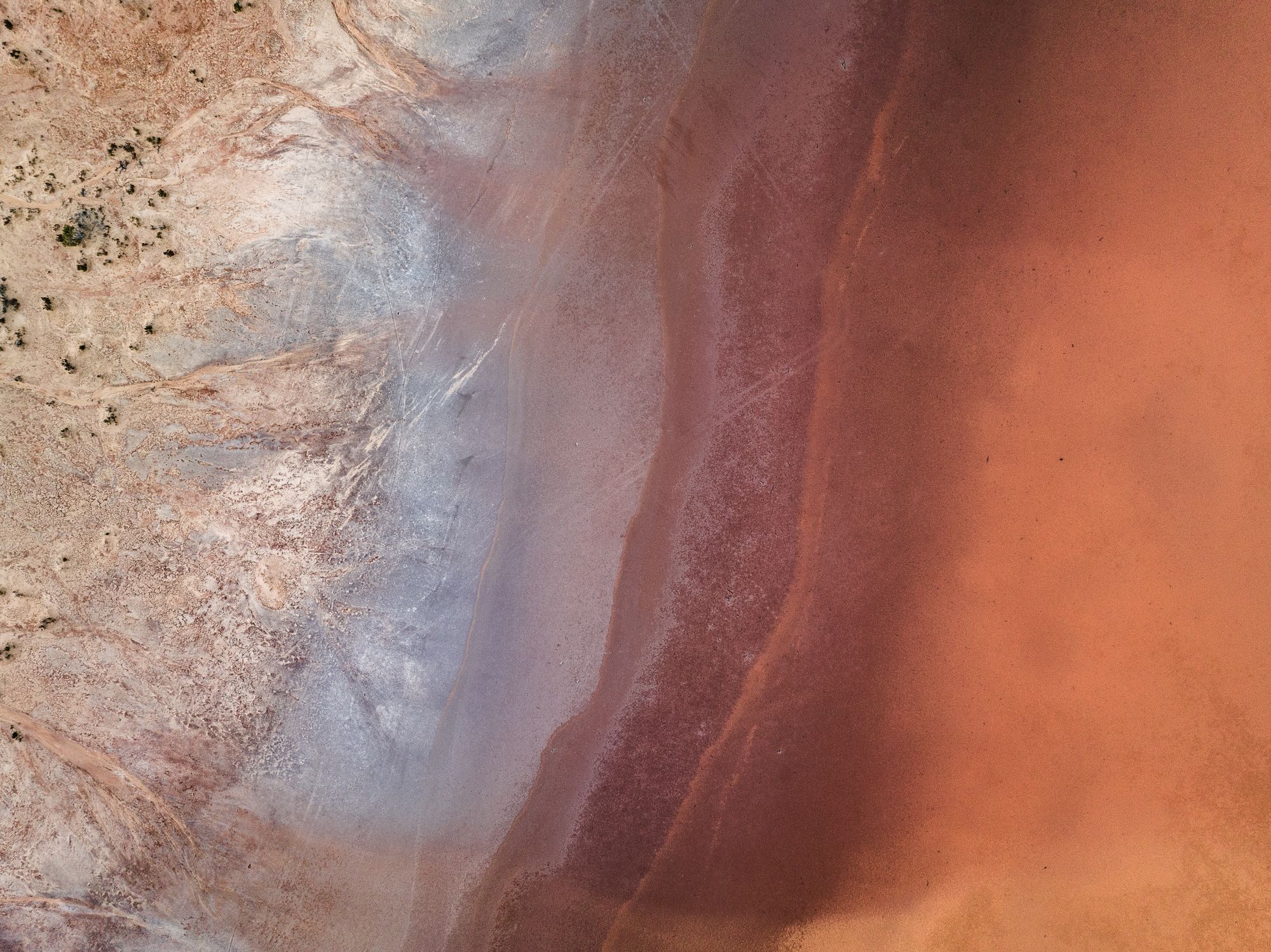
Edge of a Dry Lake. Western Australia. Photographer: Abstract Aerial Art. Source: Getty Images. Used under Licence.

Activity 1: Introduction to Country
Focus: Learning about some of the components of Country and how they are connected.
Possible overarching question: What are the different parts of Country, and how do they connect?
Step by step guide
Step 1: Shared text and discussion
Step 2: Draw different aspects of Country
Step 3: Reflection and sharing
Required Resources:
Teacher Support Material
Country by Aunty Fay Muir & Sue Lawson; illustrated by Cheryl Davison.
What is Country Poster
Step 1: Shared text and discussion
Let students know that you are reading the story “Country” by Aunty Fay Muir and Sue Lawson twice. Explain that on the first reading, you want them to enjoy the story and share what they notice.
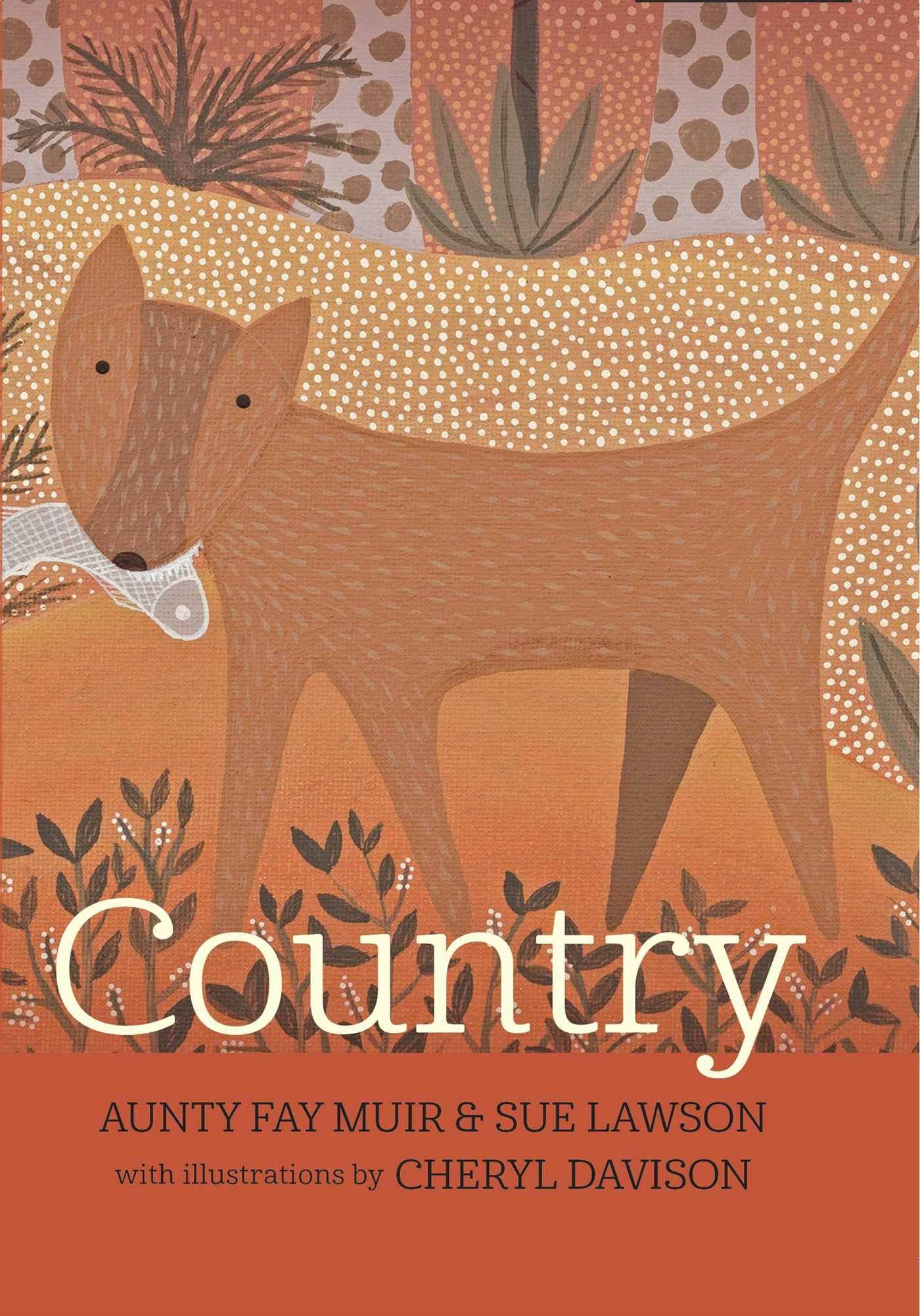
Country. Aunty Fay Muir and Sue Lawson; Illustrated by Cheryl Davison. Wild Dog Books. © Aunty Fay Muir, Sue Lawson and Cheryl Davison. Used with permission.
After the first reading, invite students to share anything they noticed, such as the environments, living things, colours or their own personal feelings, without yet naming the three components of Country. Next, introduce the idea that some Aboriginal and Torres Strait Islander Peoples describe Country as made up of Land Country, Water Country and Sky Country, all of which are connected.
Explain that you will read the story again, and this time you want students to concentrate on the living things that call Country home. As you read a second time, pause after each double-page spread and ask students:
What living thing/s do you see here?
Is it a plant, an animal, or something else alive?
Is it Land, Water or Sky Country?
Record the student contributions on a digital board or chart paper, perhaps with a simple icon beside each word. When the kookaburra is named, point out that it lives among trees (Land Country) but also flies and calls overhead (Sky Country), and so belongs in both categories. Ask students to suggest other examples of living things that might fit into more than one part of Country.
Conclude by reminding students that every living thing, plants, animals, people, even wind and rivers, are part of Country.
Step 2: Draw different aspects of Country
Using paper, let students draw one (or more) living thing from the text, whether a plant, an animal or another living being. Encourage students to add colour, simple symbols (ripples for water; sun rays for sky) or a background element (a hillside, a riverbank, clouds) to show which Country it may feature in. Students may want to draw a living thing that features in more than one Country, e.g. an insect flying in the sky, and an insect sitting on a tree, a eucalyptus tree and a eucalyptus leaf floating in a creek.
A possible prompt to ask students as they are engaging with the experience - "How does your picture show this belongs in Land / Water / Sky Country?"
Step 3: Reflect and Share
Spend time arranging student drawings on the floor or board under the three headings (Land / Water / Sky Country). Invite each student to place their artwork in the category and to explain their choice: “I put my eucalyptus leaf in Water Country because it fell into the creek,” or “I drew the kookaburra in Sky Country since it flies.”
Discuss any items that might fit into more than one category, reinforcing that Country’s parts overlap and connect. End with sharing the “What is Country” Poster to show students how the different parts of Country are interconnected.
Related activities within this resources:
Activity 2: Learning about different types of Country
Building on Activity 1, students will deepen their understanding of Country by further exploring Land Country, Water Country, and Sky Country through visual examples, collaborative sorting, and creative “Countryscape” constructions. This will prepare students to recognise and describe these parts of Country in their own school environment.
Activity 3: Exploring Country in our school environment
Building on Activities 1 and 2, where students explored the concept of Country and types of Country, this activity provides students with the opportunity to experience and observe Land, Water, and Sky Country in their immediate school environment. Students engage their senses to notice features around them and begin to see the interconnectedness of the spaces they move through every day.
Activity 4 (Part one of two): Mapping our school
Building on observations from the school sensory walk in Activity 3, students collaborate to create a large wall map or floor display representing Land, Water, and Sky Country in their school environment.
Activity 4 (Part two of two): Using positional language
Using students’ collaborative map of their school environment from Activity 4 (Part one), students describe the position of features using positional language.
Activity 5: Creating a whole class Acknowledgement of Country
In this culminating activity, students bring together their learning about Land, Water, and Sky Country to collaboratively create a whole-class Acknowledgement of Country that reflects their observations and developing understanding of the Country they learn and play on. As part of this process, students are guided in learning the name of the local Country and the Traditional Custodians of the land on which their school is located, so this can be respectfully included in the Acknowledgement.