Learning Areas:
Science, English
Year levels:
Level 5, Level 6
Reflection
This activity is a part of the Indigenous astronomy and the solar system resource.
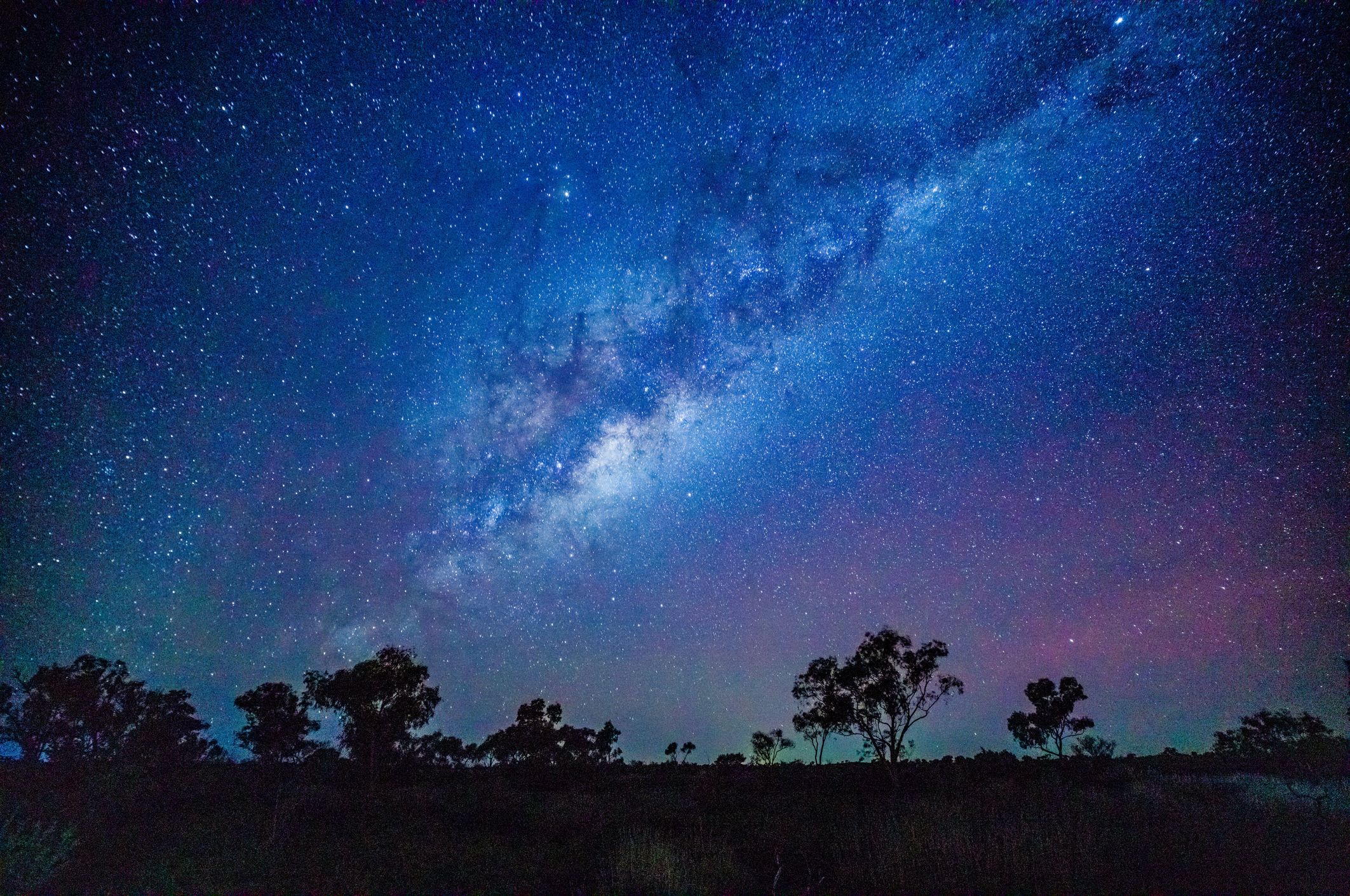
Starry night sky. Location: Millstream Chichester National Park. Photographer: Janelle Lugge. Getty Images. Used under licence.

Reflection
This activity encourages students to reflect on their learning and the importance of Aboriginal knowledge of the solar system, considering its impact on science today. The Reflection Question Cards or the questions below can be used if students are responding independently or in small groups. Alternatively, teachers can pose the questions to the whole class for a group discussion. The following questions will help to stimulate discussion and reflection on this module:
What significance do celestial bodies like planets hold for Aboriginal people?
How do Aboriginal perspectives on the solar system contribute to our broader understanding of astronomy and space? What can today’s scientists learn from these knowledge systems?*
What are some of the ways that Aboriginal people have used their knowledge of planets and stars in navigation, time keeping and ceremony?
Can you identify any planets that are significant in Aboriginal stories? What are some of the stories associated with these planets?
*Some expected answers from students could be:
Aboriginal knowledge of planets helps scientists see things differently, this knowledge, passed down for a long time, gives scientists new ideas about studying planets today.
Scientists today realise that it is important to see planets as part of a big, connected system. Instead of just looking at each planet alone, they think about how everything in space works together.
Aboriginal stories about the planets show how telling stories can help pass down knowledge. It shows that science ideas can be shared in a way that keeps culture alive and helps people feel connected.
In the future, scientists might learn more about how planets affect each other and how they affect things on Earth.
Aboriginal knowledge helps us to understand the solar system in a different way. They see planets and stars as part of a big, connected story that includes nature and people. This way of thinking teaches scientists to look at space as more than just objects, but as something that is all connected.
Aboriginal knowledge helps us to see how astronomy includes stories, culture, and how everything is linked together.
This can give scientists new ideas and help them think about space in ways they hadn’t before.
Related activities within this resources:
Pathway 1: Introducing Aboriginal Knowledge of the Solar System
This pathway introduces students to Aboriginal knowledge of the solar system, encouraging inquiry and curiosity. Through interactive activities such as a Gallery Walk, Thinking Routines, and guided discussions, students will engage with diverse perspectives of some planets. These activities aim to spark interest, activate prior knowledge, and support students in developing a deeper understanding of the cultural and scientific significance of the planets.
Pathway 2: Projecting Across Time - Exploring Aboriginal Knowledge of the Solar System
This pathway supports a comprehensive investigation of Aboriginal knowledge of the solar system. Using the Projecting Across Time thinking routine, students will explore this topic across a broad span of time—reaching back into the past and imagining forward into the future. Through this routine, students will consider the contributions of Aboriginal Peoples as the first astronomers and reflect on the continued relevance of their knowledge today. The thinking routine serves as a tool for students to track their learning, pose questions, and document insights as they deepen their understanding of the solar system.
Pathway 3: Case Study Exploration
This pathway enriches a student research on planets by integrating Indigenous Knowledge into a pre-existing unit on the solar system. Multimodal resources and case studies explore the cultural significance of planets, their roles in ecological knowledge, and how this information is passed down through storytelling and observation. By examining these perspectives, students gain a deeper understanding of Indigenous astronomical knowledge and its connections to life on Earth.