Home/Curriculum resources/Indigenous astronomy and the solar system/Pathway 3: Case Study Exploration
Learning Areas:
Science, English
Year levels:
Level 5, Level 6
Pathway 3: Case Study Exploration
This activity is a part of the Indigenous astronomy and the solar system resource.
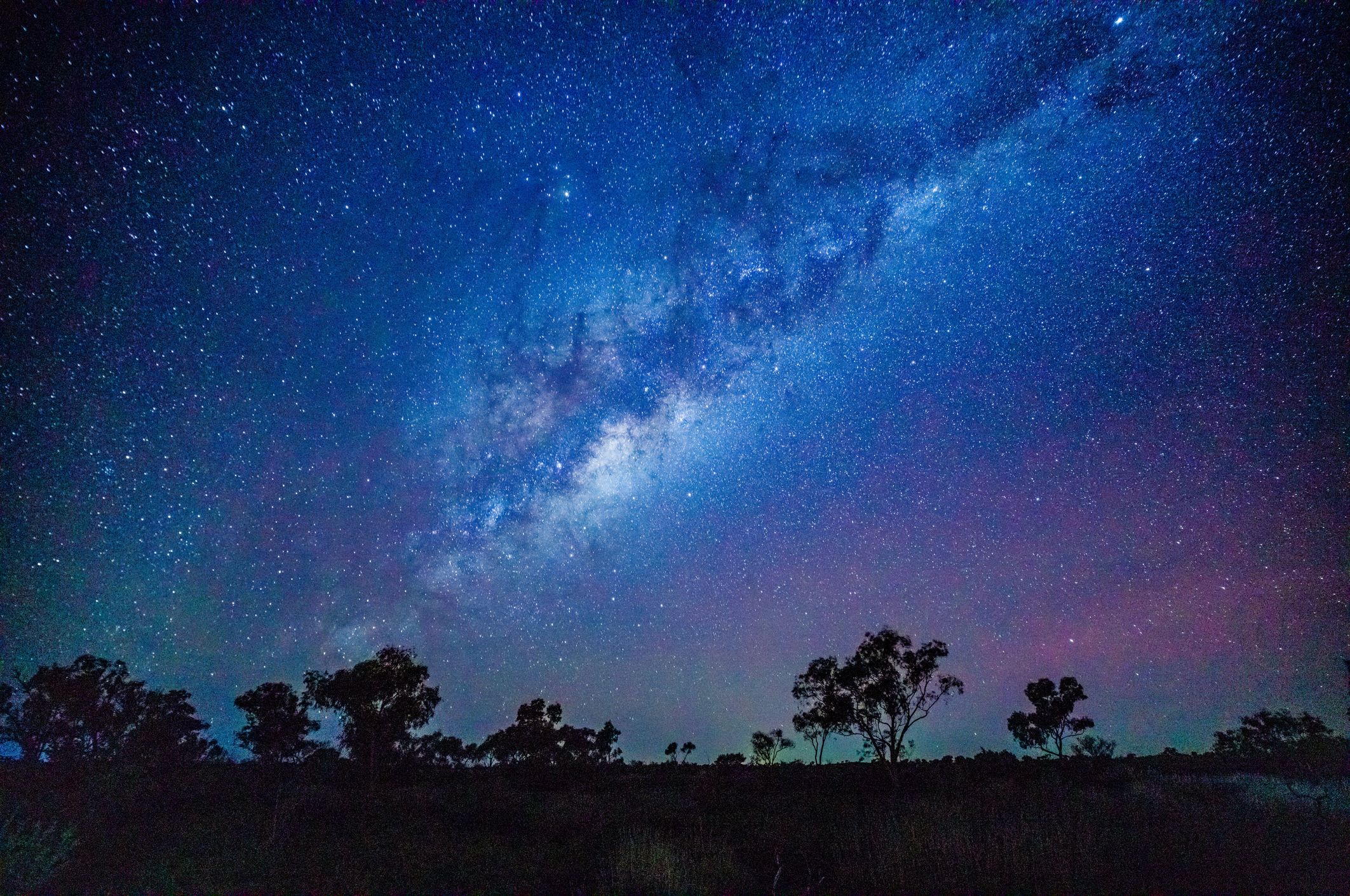
Starry night sky. Location: Millstream Chichester National Park. Photographer: Janelle Lugge. Getty Images. Used under licence.

Pathway 3: Case Study Exploration
Focus: This pathway supports student research on planets by integrating Aboriginal and Torres Strait Islander knowledge, exploring cultural significance, roles in ecological knowledge, and connections to life on Earth through storytelling and observation.
Possible Overarching Questions
What knowledge do Aboriginal people hold about the planets, and how does it affect life on Earth?
How do Aboriginal knowledge systems enhance our understanding of the planets in our solar system?
Possibilities for classroom implementation
The following multimodal resources and activities support student engagement and understanding of planets through Aboriginal and Torres Strait Islander perspectives. These resources help students explore Indigenous knowledge of the solar system, examine the cultural significance of planets, and develop a deeper appreciation of Aboriginal and Torres Strait Islander astronomy. The teacher support material provides further guidance.
Jigsaw Groupings | Students are divided into groups, with each group becoming experts on a specific case study. They then regroup to share their findings, ensuring that all students learn about each case study. Students take notes individually or collaboratively and can use one of the provided note taking templates. |
Case Study Discussion Circles | Similar to Jigsaw Groupings. Each group learns about one case study then shares their findings with the whole class. This method is ideal if students need more support and scaffolding in comparison to the Jigsaw Groupings. |
Case Study Venn Diagram | Students present their knowledge through a Venn Diagram, allowing for connections and comparisons between case studies. This task connects well to the case studies on Venus, as students could compare knowledge and stories from different Aboriginal groups. |
Class Map Display | Students create a map showing the location of each case study, either individually, in small groups, or as a whole class. |
Research and Presentation | Students can conduct research on a planet of their choice, including information about its significance in Aboriginal culture. They can use the provided fact sheets, texts, and online resources to gather information. The findings can be presented through PowerPoint presentations, posters, or digital storytelling, allowing students to practice their research and presentation skills. |
Visual Representations | Students can create visual representations of a planet of their choice. This can include drawing, painting, building 3D models using various materials or creating animations. A range of online tools and apps can be used to create animations using code or stop motion, for example: Scratch, ABCya and Stop Motion Animation. Information about Indigenous perspectives can be included in audio, visual or written form. |
Planet Nomenclature Activity | For students who benefit from a structured research process, the Planet Nomenclature activity provides a guided approach. Students research Aboriginal and Torres Strait Islander names for the five visible planets, how different groups describe them, and share their findings with the class. Provided links and recommendations support their research. Students then complete a cut-and-paste match-up activity (the Indigenous Astronomy and the Solar System Matchup Activity), aligning each planet with its Indigenous name, meaning, language, and location. Once matched, they can order the planets by their distance from the Sun or by size. |
Related activities within this resources:
Pathway 1: Introducing Aboriginal Knowledge of the Solar System
This pathway introduces students to Aboriginal knowledge of the solar system, encouraging inquiry and curiosity. Through interactive activities such as a Gallery Walk, Thinking Routines, and guided discussions, students will engage with diverse perspectives of some planets. These activities aim to spark interest, activate prior knowledge, and support students in developing a deeper understanding of the cultural and scientific significance of the planets.
Pathway 2: Projecting Across Time - Exploring Aboriginal Knowledge of the Solar System
This pathway supports a comprehensive investigation of Aboriginal knowledge of the solar system. Using the Projecting Across Time thinking routine, students will explore this topic across a broad span of time—reaching back into the past and imagining forward into the future. Through this routine, students will consider the contributions of Aboriginal Peoples as the first astronomers and reflect on the continued relevance of their knowledge today. The thinking routine serves as a tool for students to track their learning, pose questions, and document insights as they deepen their understanding of the solar system.
Reflection
This activity encourages students to reflect on their learning and the importance of Aboriginal knowledge of the solar system, considering its impact on science today.