Home/Curriculum resources/Indigenous astronomy and the solar system/Pathway 2: Projecting Across Time - Exploring Aboriginal Knowledge of the Solar System
Learning Areas:
Science, English
Year levels:
Level 5, Level 6
Pathway 2: Projecting Across Time - Exploring Aboriginal Knowledge of the Solar System
This activity is a part of the Indigenous astronomy and the solar system resource.
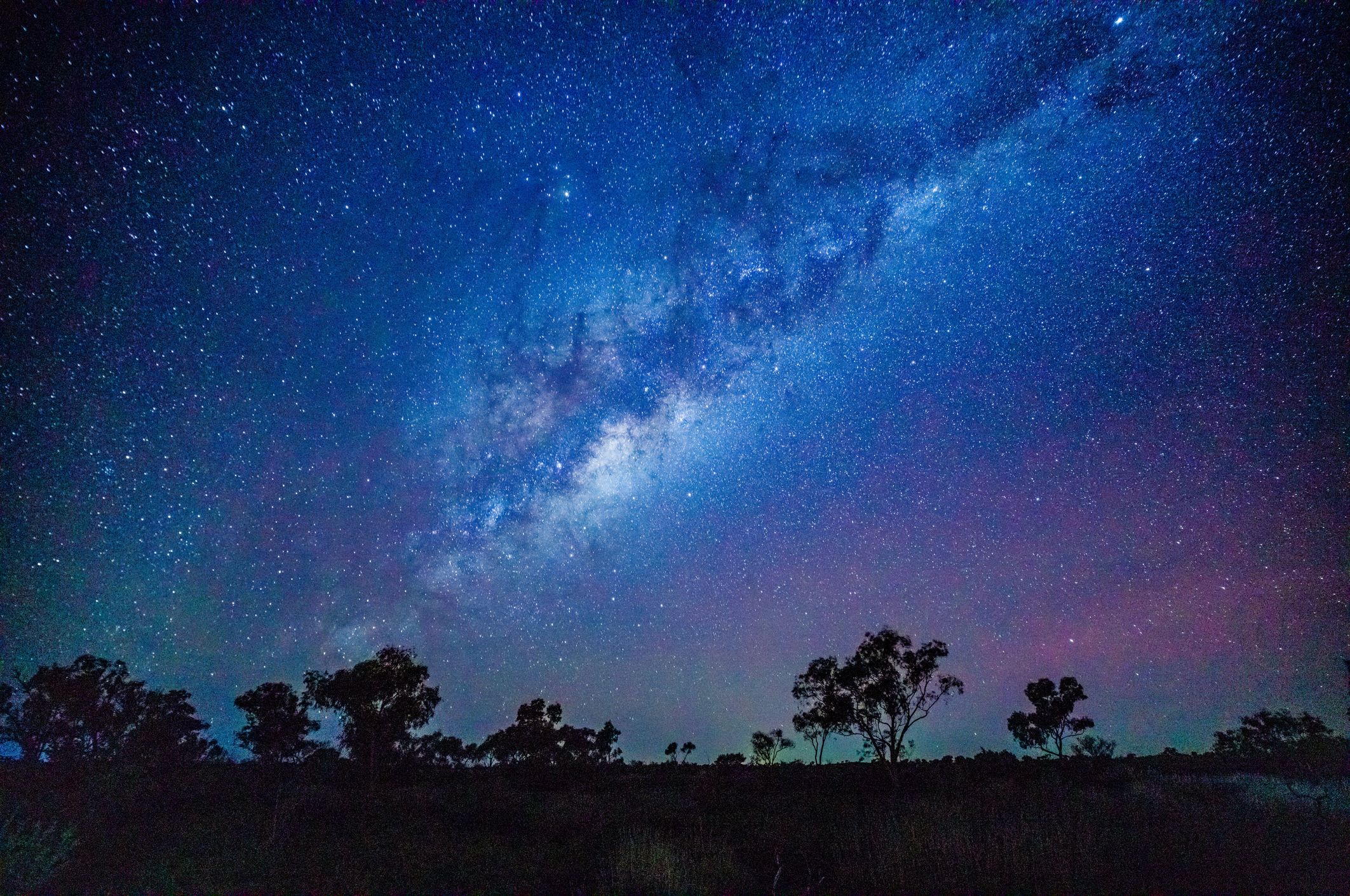
Starry night sky. Location: Millstream Chichester National Park. Photographer: Janelle Lugge. Getty Images. Used under licence.

Pathway 2: Projecting Across Time - Exploring Aboriginal Knowledge of the Solar System
Focus: The purpose of this pathway is to guide students in exploring Aboriginal and Torres Strait Islander knowledge of the solar system over time, supporting their understanding of its cultural and scientific significance.
Possible Overarching Questions
What knowledge do Aboriginal people hold about the planets, and how does it affect life on Earth?
How do Aboriginal knowledge systems enhance our understanding of the planets in our solar system?
Step by step guide
Step 1: Tuning in
Step 2: Map what you think or already know about this topic
Step 3: Reach back in time
Step 4: Reach forward in time
Step 5: Map how your thinking about the topic has changed
Required resources:
Teacher Support Material
Projecting Across Time template
Venus Case Study Fact Sheets
Mars Case Study Fact Sheets
Jupiter Case Study Fact Sheets
First Astronomers Research Card
Indigenous Astronomy and the Solar System Match Up activity (optional)
Step 1: Tuning in
The purpose of this step is to actively engage students in the topic and create a sense of curiosity. This can be done by sharing one or more of the following resources with students:
Option 1: Picture book - Brother Moon by Maree McCarthy Yoelu
In this book, great-grandpa Liman shares with his great-grandson Hippy-Boy the story of his brother, the moon, imparting a timeless connection between the sky, the land and the knowledge of their ancestors.
Before reading:
Discuss the title, cover illustrations and blurb of the story, make predictions about what the book could be about.
After reading:
Describe the connection between the moon, great-grandfather Liman, and the land.
What phases of the Moon do you notice in this story? How are they described? What other changes in the night sky do you know of?
How does Brother Moon show the importance of stories between generations?
Option 2: Viewing Aboriginal Astronomy V2.8 Planets
After watching:
How do Aboriginal people identify differences between planets and other celestial objects?
What is Venus often referred to by Aboriginal people?
What are some ways Aboriginal people use their observations of planets to inform cultural practices?
Option 3: Gallery Walk
Print the Planet Statements and Images and place them around the classroom prior to the lesson.
Explain the process of a Gallery Walk to students, they will walk around the classroom, observing the images and statements, while considering the following question:
‘What knowledge do Aboriginal people hold about the planets, and how does it affect life on Earth?’.
After students have undertaken the Gallery Walk, discuss their observations and answers to the question as a whole class.
Step 2: Map what you think or already know about this topic
The ‘Projecting Across Time’ thinking routine can be completed as a whole class on a large piece of paper or board displayed in the classroom for ongoing contributions, or students can complete it independently using the Projecting Across Time template.
This step invites students to make visible what they think about the topic ‘planets in our solar system’.
Begin by introducing the overarching question/s, prompting students to keep this question in mind during the thinking routine.
Ask: What do you already know about the planets in our solar system? Students can choose to write or draw pictures.
Students record their thinking in the first column on the Projecting Across Time routine titled ‘Map what you already know about this topic’.
Step 3: Reach back in time
It is at this step in the Projecting Across Time routine that students engage in further research about Aboriginal knowledge of the solar system. The resources that accompany this step could be used to support the acquisition of new knowledge and inspire further questions for investigation.
Ask: Aboriginal people are considered the first astronomers. What do you know about their understanding of planets?
During this stage of the activity, students could use the case study fact sheets and research support resources to help them explore the topic and enhance their understanding of Indigenous Knowledge of planets.
Students record their thinking in the second column on the Projecting Across Time routine titled ‘Reach Back in Time’.
Optional: Planet Nomenclature Activity
For students who benefit from a structured research process, the Planet Nomenclature activity provides a guided approach. Students research Aboriginal and Torres Strait Islander names for the five visible planets, how different groups describe them, and share their findings with the class. Provided links and recommendations support their research. Students then complete a cut-and-paste match-up activity, aligning each planet with its Indigenous name, meaning, language, and location. Once matched, they can order the planets by their distance from the Sun or by size.
Step 3: Reach forward in time
Possible questions to facilitate unpacking 'Reach Forward in Time' with students:
How does Aboriginal knowledge of the planets continue to influence what is known about planets today?
What do you imagine will be known about planets in the future? Why do you think this?
Consider how Aboriginal knowledge of the solar system is shared, what can we learn from this?
This could be completed independently or as a whole class discussion during which students share their thoughts and give examples referencing the research they did in the previous step. This discussion is intended to be strengths-based, highlighting the orality of Aboriginal knowledge and focusing on how the sharing of knowledge is beneficial for all. For more guidance on facilitating this discussion, see the Teacher Support Materials for Pathway 2.
Students record their thinking in the third column on the Projecting Across Time routine titled ‘Reach Forward in Time’.
Step 4: Map how your thinking about the topic has changed
Possible questions to facilitate unpacking 'Map how your thinking has changed' with students:
How do you view knowledge of the planets in our solar system now?
How do Aboriginal perspectives on the solar system contribute to our broader understanding of astronomy and space?
What can today’s scientists learn from these knowledge systems?
Students record their thinking in the final column on the Projecting Across Time routine 'Map how your thinking has changed'.
Related activities within this resources:
Pathway 1: Introducing Aboriginal Knowledge of the Solar System
This pathway introduces students to Aboriginal knowledge of the solar system, encouraging inquiry and curiosity. Through interactive activities such as a Gallery Walk, Thinking Routines, and guided discussions, students will engage with diverse perspectives of some planets. These activities aim to spark interest, activate prior knowledge, and support students in developing a deeper understanding of the cultural and scientific significance of the planets.
Pathway 3: Case Study Exploration
This pathway enriches a student research on planets by integrating Indigenous Knowledge into a pre-existing unit on the solar system. Multimodal resources and case studies explore the cultural significance of planets, their roles in ecological knowledge, and how this information is passed down through storytelling and observation. By examining these perspectives, students gain a deeper understanding of Indigenous astronomical knowledge and its connections to life on Earth.
Reflection
This activity encourages students to reflect on their learning and the importance of Aboriginal knowledge of the solar system, considering its impact on science today.