Home/Curriculum resources/Indigenous astronomy and the solar system/Case Study 3: Jupiter
Learning Areas:
Science, English
Year levels:
Level 5, Level 6
Case Study 3: Jupiter
This case study is a part of the Indigenous astronomy and the solar system resource.
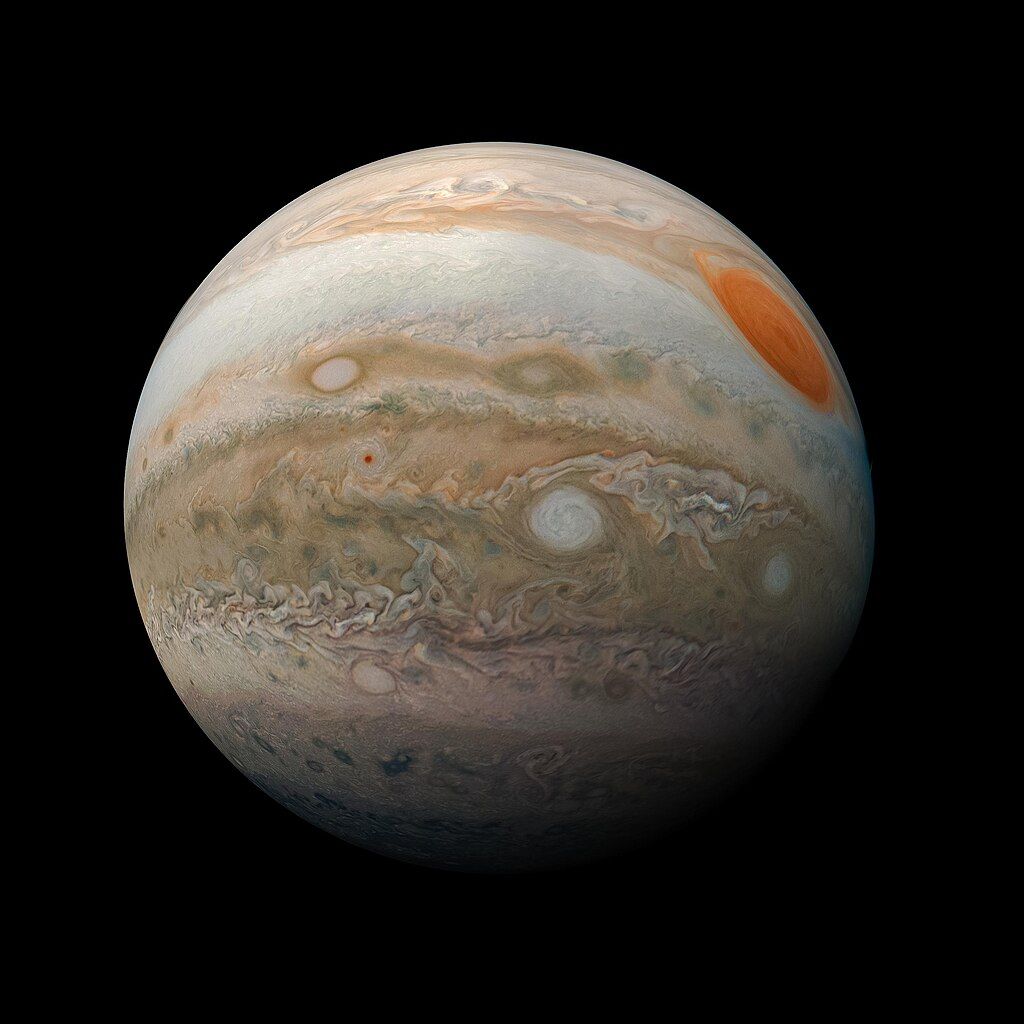
Jupiter Red Spot Juno Spacecraft. Photographer: NASA/JPL-Caltech/SwRI/MSSS/Kevin M. Gill. Source: Wikimedia Commons. Used under licence: CC BY-SA 3.0.

Case Study 3: Jupiter
Jupiter, the largest planet in the solar system, is recognised in the traditions of many Aboriginal groups across Australia for its distinct colour and movement in the night sky. This case study examines how Jupiter is interpreted within different Aboriginal cultures, exploring its associations with ancestral figures, cultural teachings, and environmental observations.
Murrawarri People
The ruddy colour and wandering motion of Jupiter were noted by many Aboriginal Peoples. The Murrawarri People of the Darling River, New South Wales, refer to Jupiter as Wurnda Wurnda Yarroa, an ancestral man who subsisted on roasted yams. The planet’s reddish hue reflects the fire used to roast the yams 0 .
Euahlayi and Kamilaroi Peoples
In northern New South Wales, Euahlayi and Kamilaroi Elders share a story about the planet:
Jupiter is a young boy wandering about the heavens. He is much disliked by his mother, the Sun, so much so that she sends men to spear him at a time when he is moving low down in the western sky. The people fear that in dry years the grasses may not set seed, and if the Sun woman succeeds in injuring her son this will be sure to happen. An even greater fear is that if the boy were “killed” all people would become ill, develop blindness, and many would perish. Even Kukura, the Moon man, could go blind. Such ideas appear to reflect their own experiences with drought and the effects of that which cause severe malnutrition 0 .
Jupiter also serves as a cultural teaching tool, offering warnings for safety. A Kamilaroi man from the Lake Coocoran area, New South Wales, expressed that Jupiter was a “red-eye fella. Kids don’t play with fire; red-eye fella will follow you and stay all winter” 0 . This served as an admonition to children not to play near campfires.
Anangu People
In the Ooldea region of South Australia’s Great Victoria Desert, anthropologist Daisy Bates (1904–1912) recorded that Jupiter and Venus were two men traveling along their Dreaming tracks with only heads and no body. She also documented a story in which Jupiter was a man who assisted two young men after they fed him when they were attacked by a mob. Bates states that Jupiter later ascended into the sky, with the two boys close by, though she does not identify their celestial counterparts.
Related case studies within this resources:
Case Study 1: Venus
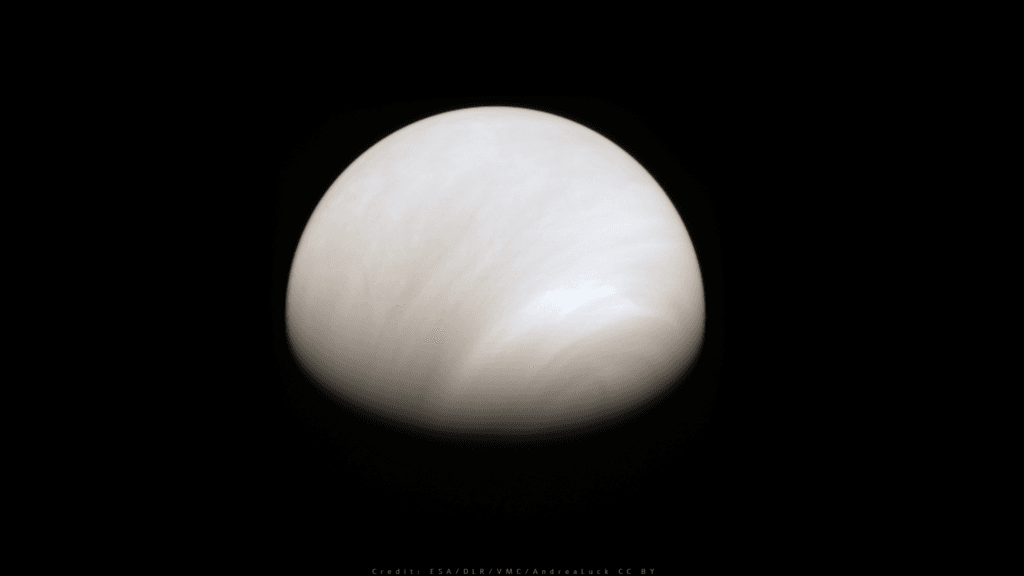
Venus, often referred to as the Morning and Evening Star, holds deep cultural significance in Aboriginal traditions across Australia. This case study explores how different communities, including the Kamilaroi, Euahlayi, Yolngu, Yangkaal, and Arrernte Peoples, incorporate Venus into their stories, ceremonies, and landscapes. These traditions highlight the connection between celestial observations, cultural practices, and the continuity of Indigenous Knowledge.
Case Study 2: Mars
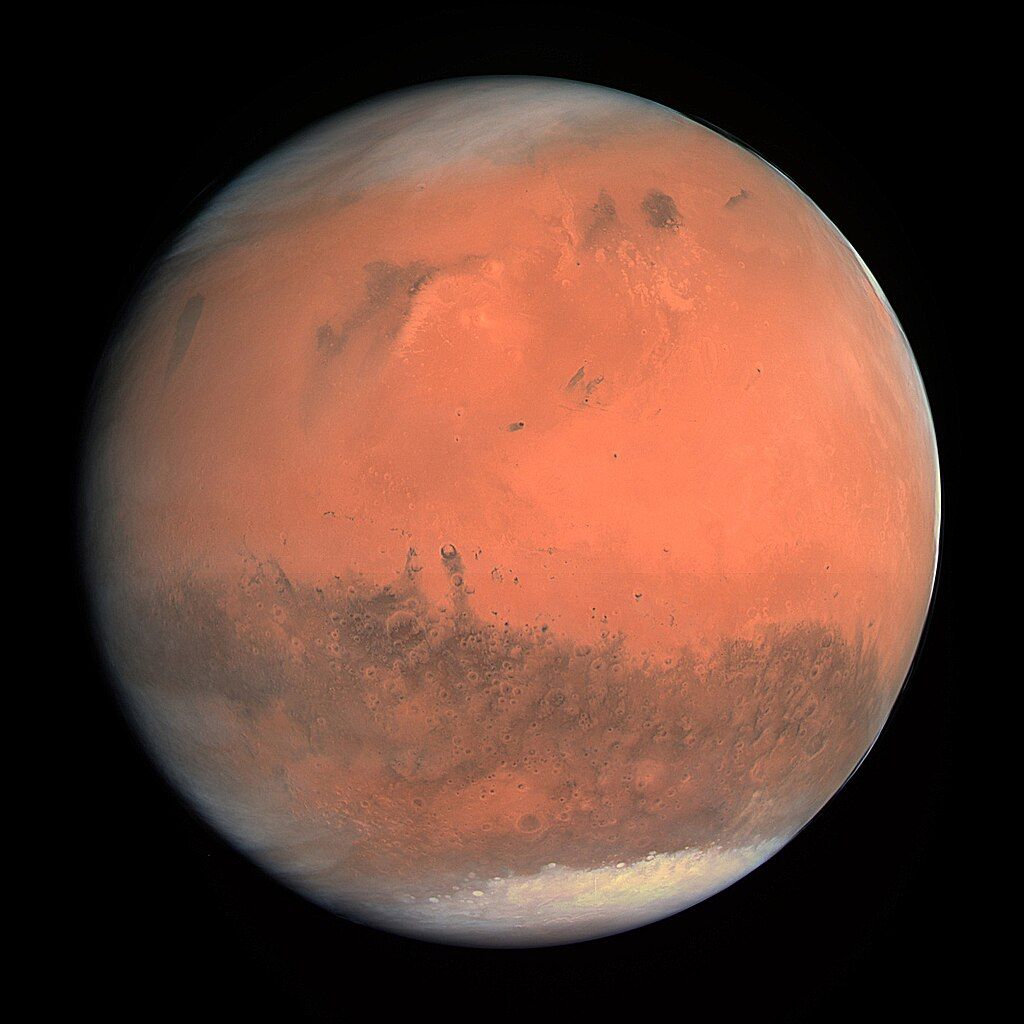
Mars, recognised for its distinctive red colour, holds significant meaning in Aboriginal traditions across Australia. This case study explores how different communities, including the Kamilaroi, Anmatyerre, Kolkatha, and Palawa Peoples, interpret Mars through language, storytelling, and cultural beliefs. These traditions highlight the deep connection between celestial observations, ancestral knowledge, and the enduring relationship between the sky and the land.