Home/Curriculum resources/Indigenous astronomy and the solar system/Case Study 2: Mars
Learning Areas:
Science, English
Year levels:
Level 5, Level 6
Case Study 2: Mars
This case study is a part of the Indigenous astronomy and the solar system resource.
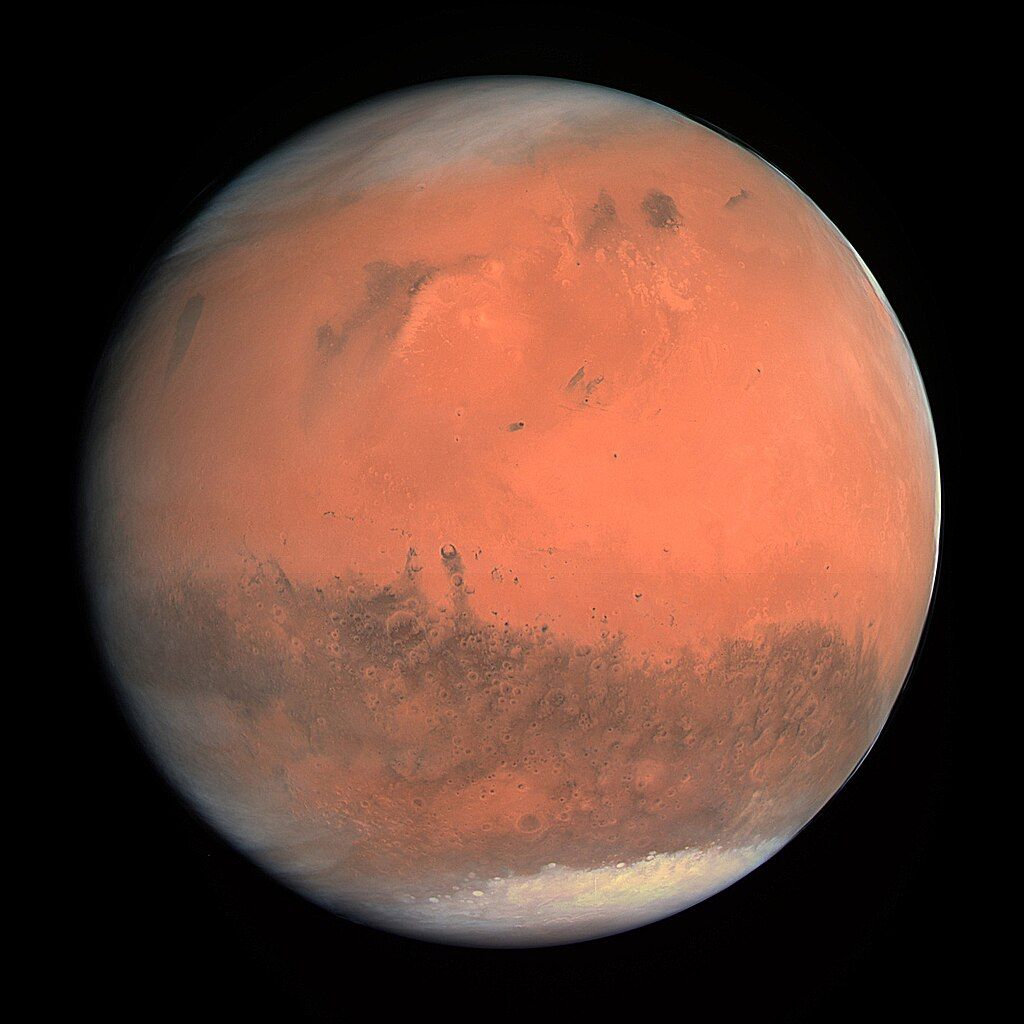
OSIRIS Mars true colour. Photographer: ESA & MPS for OSIRIS Team. Source: Wikimedia Commons. Used under licence: CC BY-SA 3.0.

Case Study 2: Mars
The distinctive red colour of Mars has led to various interpretations and explanations among some Aboriginal Peoples. The Kamilaroi People refer to it as Gumba, meaning "fat." The Anmatyerre-speaking People call it lherrm-penh, meaning "something that has been burnt in flames." The Kolkatha People see Kogolongo, the red-tailed black cockatoo.
Palawa / Pakana / Parlevar People
The Palawa People of Oyster Bay, Tasmania, hold a tradition that two ancestral men, represented by the stars of Gemini, stood on a mountaintop and “threw fire, like a star,” which fell upon the people 0 . In August 1831, the Tasmanian man Mannalargenna told the Englishman George Augustus Robinson that the two men, Pumpermehowlle and Pineterrinner, created fire and now live in the skyworld 0 . He described Mars as one of the men’s feet and the Milky Way as the road along which he walked.
Related case studies within this resources:

Case Study 1: Venus
Venus, often referred to as the Morning and Evening Star, holds deep cultural significance in Aboriginal traditions across Australia. This case study explores how different communities, including the Kamilaroi, Euahlayi, Yolngu, Yangkaal, and Arrernte Peoples, incorporate Venus into their stories, ceremonies, and landscapes. These traditions highlight the connection between celestial observations, cultural practices, and the continuity of Indigenous Knowledge.
Case Study 3: Jupiter
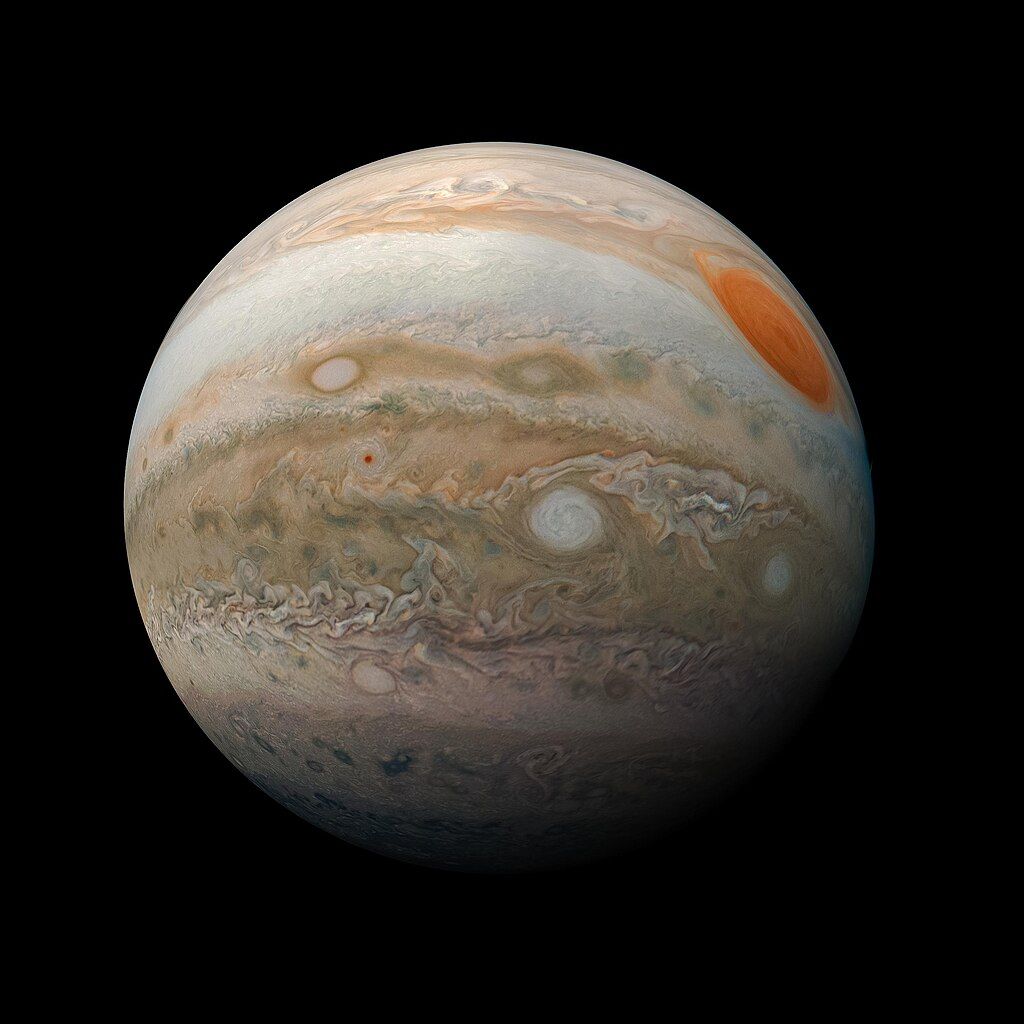
Jupiter, the largest planet in the solar system, is recognised in the traditions of many Aboriginal groups across Australia for its distinct colour and movement in the night sky. This case study examines how Jupiter is interpreted within different Aboriginal cultures, exploring its associations with ancestral figures, cultural teachings, and environmental observations.